Facial paralysis is a condition that affects the muscles of the face, making it difficult to smile, speak, blink, or perform normal facial movements. It may occur suddenly and significantly affect both physical appearance and confidence. At Vaidban Ayurveda Bhawan by Subhash Goyal, we offer a personalized Ayurvedic approach that focuses on supporting nerve health and muscle function through authentic herbal therapies, Panchakarma, physiotherapy support, and healthy lifestyle modifications to promote natural recovery.
What is Facial Paralysis?
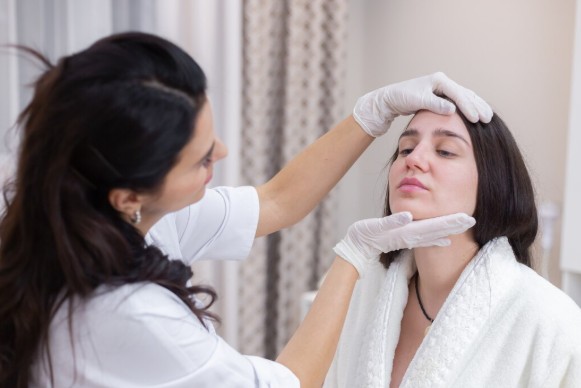
Facial paralysis is the loss of voluntary movement of facial muscles due to damage or inflammation of the facial nerve. The condition may affect one or both sides of the face and can occur due to Bell’s palsy, stroke, infections, trauma, or other neurological disorders.
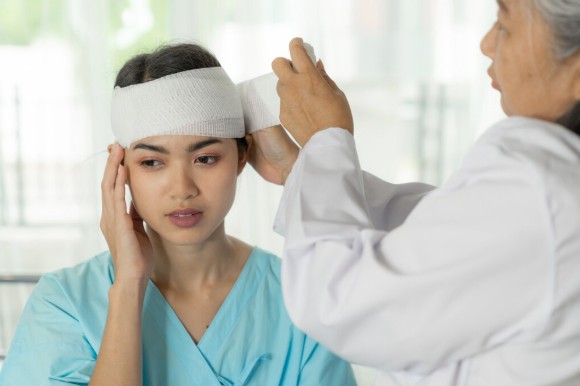
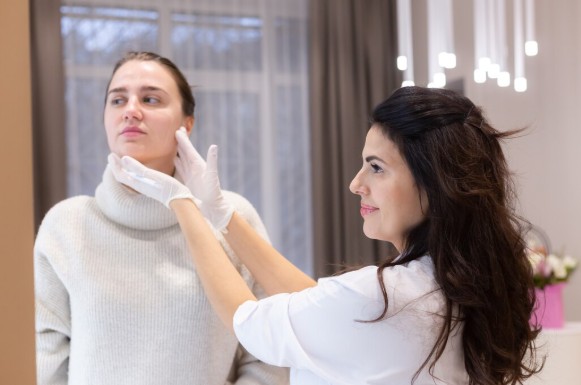
Facial paralysis may result from Bell’s palsy, viral infections, stroke, facial nerve injury, neurological disorders, diabetes, or trauma. Furthermore, inflammation affecting the facial nerve may temporarily impair muscle movement.
Common symptoms include facial weakness, drooping on one side of the face, difficulty closing one eye, altered taste sensation, excessive tearing, drooling, slurred speech, and difficulty smiling or chewing. Therefore, immediate medical evaluation is important to determine the underlying cause and begin appropriate treatment.

According to Ayurveda, facial paralysis is commonly correlated with Ardita, a condition primarily caused by an aggravated Vata Dosha affecting the nerves and facial muscles. Furthermore, weakened circulation and tissue nourishment may contribute to impaired nerve function. Ayurveda focuses on balancing Vata, nourishing the nervous system, improving circulation, and supporting muscle function through personalized herbal therapies, Panchakarma procedures, therapeutic massage, and rehabilitation-focused lifestyle practices.
Facial paralysis is a condition in which the muscles on one side of the face become weak or lose movement due to facial nerve dysfunction. In Ayurveda, it is commonly associated with Ardita, a disorder primarily linked to an imbalance of Vata Dosha. Ayurvedic treatment aims to restore balance, support nerve health, and improve facial muscle function through personalized therapies.
Common symptoms include facial drooping, difficulty smiling or closing one eye, slurred speech, drooling, changes in taste, facial numbness or weakness, and difficulty making facial expressions. If these symptoms appear suddenly, especially with arm weakness or speech difficulty, seek emergency medical care immediately, as they may indicate a stroke.
Ayurveda may help support recovery from facial paralysis through individualized treatment plans that can include herbal medicines, Panchakarma therapies, medicated oil massage (Abhyanga), Nasya, Swedana, and lifestyle modifications. The goal is to support nerve function, reduce Vata imbalance, and improve facial muscle strength. Treatment should always be supervised by a qualified Ayurvedic physician.
Recovery varies depending on the underlying cause, severity of nerve involvement, how early treatment begins, and the individual’s overall health. Some people may notice gradual improvement within weeks, while others may require several months of consistent treatment and rehabilitation.
Depending on the individual’s condition, Ayurvedic treatment may include therapies such as Abhyanga (herbal oil massage), Nasya (nasal therapy), Swedana (herbal steam therapy), Shirodhara, and other Panchakarma procedures. These therapies are selected based on the patient’s constitution and clinical assessment.
Certain Ayurvedic medicines, facial exercises, dietary recommendations, and self-care practices may be followed at home after consultation with an Ayurvedic doctor. However, diagnosis and treatment planning should always be performed by a qualified practitioner, especially during the early stages of the condition.
You should consult an experienced Ayurvedic physician as soon as facial weakness or asymmetry develops. Early evaluation can help determine the appropriate treatment approach. However, if facial paralysis occurs suddenly—particularly with symptoms such as weakness in an arm or leg, difficulty speaking, or confusion—seek emergency medical attention immediately to rule out a stroke before considering complementary Ayurvedic care.
© Subash Goyal 2021 | Designed & Maintained By Epic Web Service