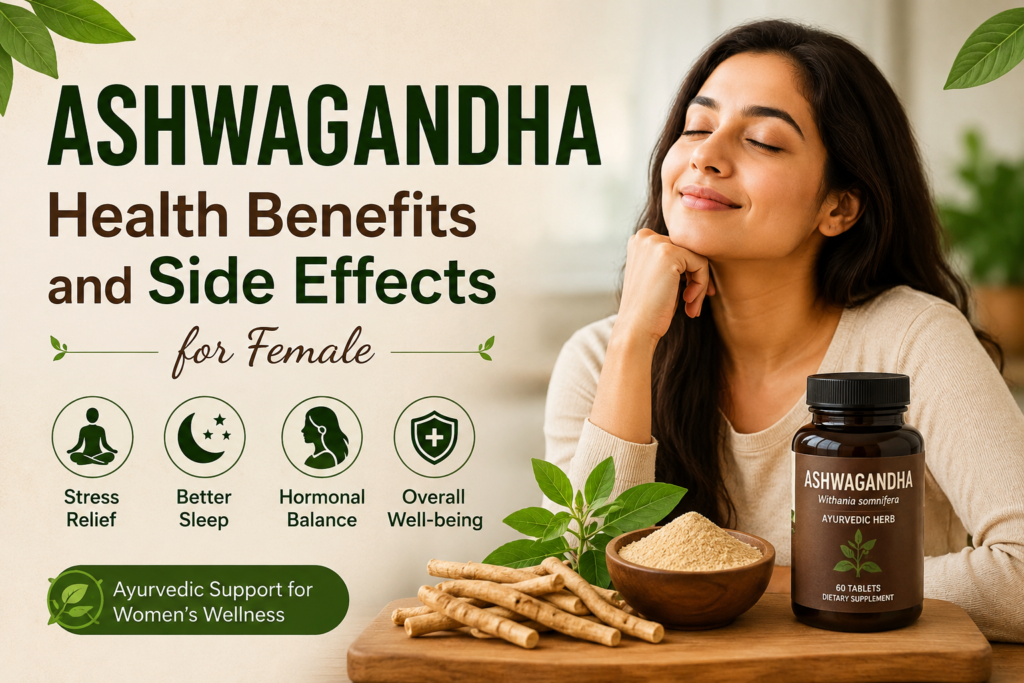
Ashwagandha, botanically known as Withania somnifera, is an Ayurvedic herb traditionally classified as a Rasayana, a group of preparations associated with promoting vitality and supporting overall well-being. Its roots and extracts are commonly used in supplements. Modern research has investigated ashwagandha for several areas, particularly stress, sleep, and aspects of physical and mental well-being. However, research is still developing, and evidence does not support treating it as a cure for medical conditions.
One of the most researched potential uses of ashwagandha is stress support. Some studies suggest that certain ashwagandha preparations may help reduce perceived stress and support a healthier stress response. For women managing demanding work schedules, family responsibilities, or everyday stress, this potential benefit may be particularly relevant. However, ashwagandha should complement—not replace—healthy sleep, physical activity, relaxation, and professional care when needed.
Adequate sleep is essential for physical and emotional well-being. Some research suggests that ashwagandha may help improve sleep quality in certain adults, particularly those experiencing sleep difficulties. The results can vary depending on the preparation, dosage, and individual. Women experiencing persistent insomnia should investigate its underlying cause rather than relying solely on an herbal supplement.
Ashwagandha has traditionally been used to support strength, vitality, and resilience. Some modern studies have explored its potential effects on physical performance and fatigue-related measures. A nutritious diet, regular exercise, adequate hydration, and sufficient sleep remain the foundation of healthy energy levels.
Ashwagandha is sometimes marketed specifically for women’s hormonal and reproductive health. There is preliminary research exploring its effects in areas such as sexual well-being and reproductive health, but the evidence is not strong enough to recommend it as a treatment for infertility, hormonal disorders, or other reproductive conditions. Women who are trying to conceive should discuss herbal supplements with their healthcare professional before use.
Because stress and sleep are closely connected with mood and daily functioning, an herb that may support stress management and sleep could potentially contribute to overall well-being. Nevertheless, ashwagandha is not a substitute for professional treatment of anxiety, depression, or other mental-health conditions.
Ashwagandha is generally tolerated by many adults in short-term studies, but side effects can occur. Reported effects may include:
Rare cases of liver injury have also been reported. Anyone developing symptoms such as yellowing of the skin or eyes, unusually dark urine, severe abdominal discomfort, or persistent nausea after taking ashwagandha should stop using it and seek medical attention.
Women who are pregnant or breastfeeding should avoid ashwagandha unless specifically advised by a qualified healthcare professional because safety information is insufficient and there are traditional concerns regarding pregnancy. Extra caution may also be appropriate for women with thyroid or autoimmune conditions, liver problems, or those taking medicines that affect blood sugar, blood pressure, thyroid function, immunity, or cause sedation. Product quality also matters. Supplements can vary considerably in their concentration and ingredients, so choosing a reputable product and following its recommended dosage is important.
There is no single dose that is appropriate for every woman. Different studies have used different extracts, concentrations, and doses. Therefore, it is better to follow the instructions for a standardized product and seek professional advice when there are existing health conditions or medicines involved.
Ashwagandha has a long history in Ayurveda and is increasingly being studied for its potential role in stress management, sleep, physical well-being, and other aspects of health. For some women, it may be a useful complementary wellness option. However, natural does not automatically mean risk-free. Subhash Goyal recommends taking a thoughtful approach to herbal wellness by considering individual needs, existing health conditions, medications, and professional guidance. Ashwagandha should be viewed as a supportive herbal option—not a replacement for appropriate medical care.