
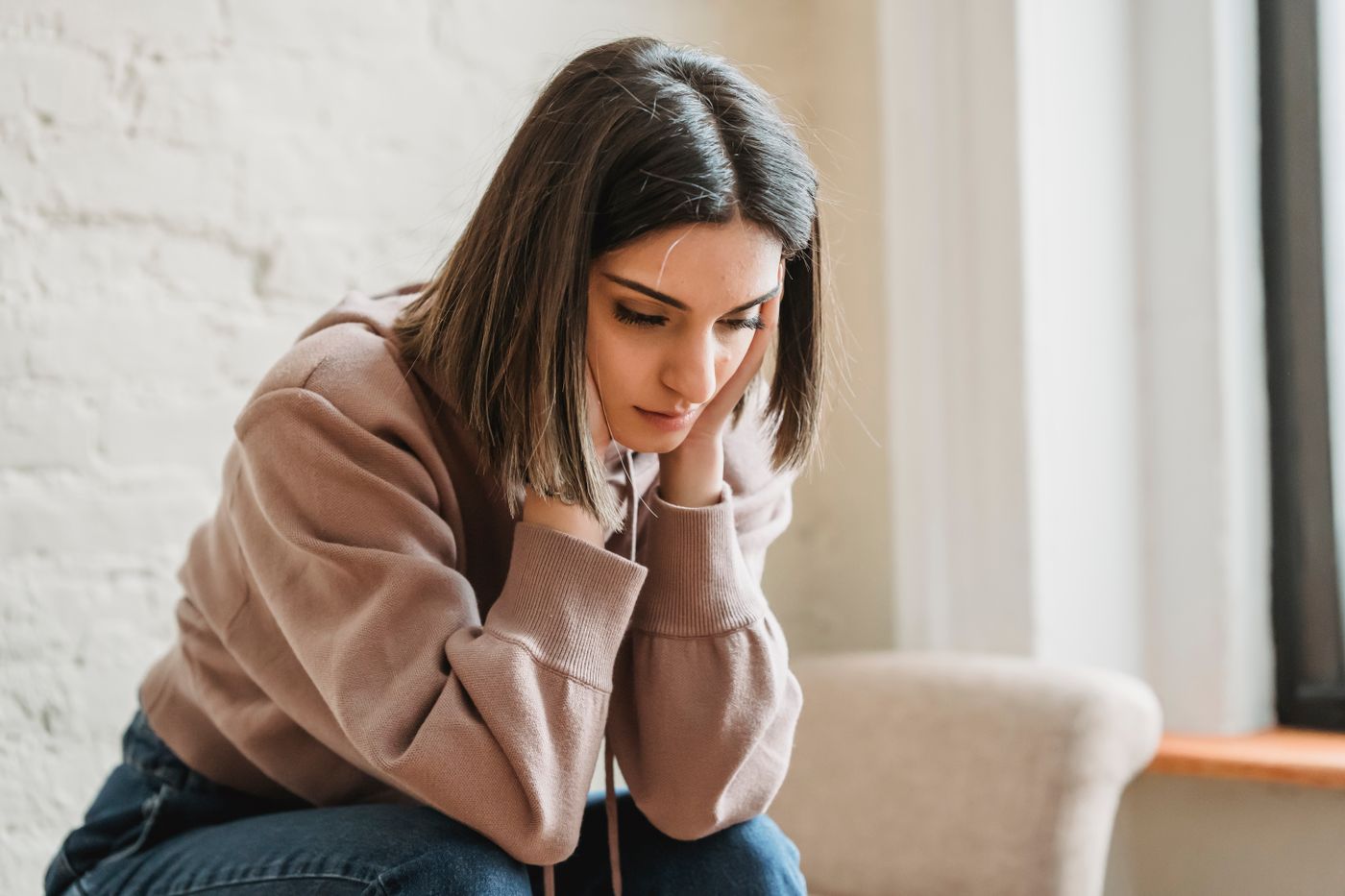
Short answer: Losing interest in intimacy is very common in women, especially after childbirth, during breastfeeding, around menopause, or during long periods of stress. Hormone changes, thyroid problems, PCOD, low iron, tiredness, pain during intercourse and relationship strain are the usual reasons. It is not “just in your head”, and it usually improves once the real cause is found.
Talk about it privately
Free, confidential call with Goyal Sahab’s care team. Your details stay private.
Not sure what your body needs?
Take the free 2-minute dosha quiz to find your Ayurvedic body type, or send your problem straight to Goyal Sahab's team.
Is low desire in women normal?
Desire naturally goes up and down through life. It becomes a concern when the lack of interest lasts for months, it bothers you, or it is affecting your relationship. Many women in India never discuss it, so they assume they are the only one. They are not.
Common causes
1. After delivery and while breastfeeding
Hormone levels change a lot after childbirth. Lack of sleep, body changes, healing stitches and caring for a baby leave little energy. Many couples ask “delivery ke baad romance khatam kyon ho gaya?” For most women desire returns gradually, but pain or dryness should be checked.
2. Perimenopause and menopause
Falling estrogen around the late 40s can cause dryness, hot flushes, poor sleep and mood changes, all of which lower interest. Read more about vaginal dryness care.
3. Thyroid, PCOD and anaemia
- Hypothyroidism brings tiredness, weight gain and low mood, and often low desire.
- PCOD / PCOS affects hormones, periods, weight and confidence. See our page on PCOS and PCOD care.
- Low haemoglobin makes you feel exhausted all the time.
4. Pain or dryness during intercourse
If intimacy hurts, the mind naturally avoids it. Dryness, infections, white discharge or tight pelvic muscles are common, treatable reasons.
5. Stress, low mood and tiredness
Running a home, work, children and family responsibilities leaves many women drained. Anxiety and depression strongly reduce desire, and some medicines used for them can too.
6. Relationship and emotional reasons
Unresolved fights, feeling unheard, lack of affection outside the bedroom, or past painful experiences all matter. Desire in women is often closely linked to emotional closeness.
The Ayurvedic view
Ayurveda sees healthy desire as a sign of strong ojas (vitality) and balanced Vata. Overwork, poor sleep, irregular meals, stress and the depletion that follows childbirth are seen as weakening ojas and disturbing Vata. Care focuses on rest, nourishment, calming routines and building strength back up.
What helps
- Check the basics: thyroid, haemoglobin, sugar and vitamin D tests if you feel tired all the time.
- Treat pain first: dryness, infection or discharge should be looked at; a water-based lubricant can help in the meantime.
- Sleep and rest: even small improvements in sleep make a difference.
- Move your body: walking, yoga or light exercise improves mood, energy and blood flow.
- Talk with your partner: about stress, affection and what feels good, without blame.
- Nourishing food: regular home-cooked meals, enough protein, iron-rich foods, less sugar and packaged food.
Herbs such as shatavari and ashwagandha are traditionally used in Ayurveda for women’s strength and balance. Research is still limited, and the right choice depends on your health, whether you are breastfeeding, and other medicines, so please take advice rather than self-medicating.
When to see a doctor
- Pain during or after intercourse, or bleeding after intercourse
- Unusual discharge, itching or a bad smell
- Irregular or very heavy periods, or periods stopping before 45
- Low mood, crying spells or loss of interest in everything, not just intimacy
How Goyal Sahab can help
At Vaidban Ayurved Bhawan, Chandigarh, Subhash Goyal ji looks at the whole picture: hormones, periods, energy, digestion, sleep, stress and relationship, then suggests a personal plan of diet, routine and Ayurvedic support. You can also read about low libido care for women. Everything you share is private.
Get a free confidential call with Goyal Sahab’s care team: choose “Women’s health” in the form below, or WhatsApp 92118 11158.
Have a question about this?
WhatsApp your problem and latest report to Goyal Sahab's team. Living abroad? Video consultation is available.
Frequently asked questions
Why have I lost interest in intimacy after delivery?
Hormone shifts, breastfeeding, tiredness, healing and adjusting to a new baby all lower desire. It usually returns gradually. If there is pain, dryness or low mood, get it checked.
Can thyroid cause low desire in women?
Yes. An underactive thyroid commonly causes tiredness, weight gain, low mood and low desire. A simple blood test can check it.
Is PCOD linked to low libido?
PCOD can affect hormones, energy and body image, and some women notice lower desire. Managing PCOD often helps overall well-being.
Can my husband also join the consultation?
Yes. Many couples find it helpful to talk together, but you can also speak alone if you prefer.
Will this stay private?
Yes. Only Goyal Sahab’s care team sees your details, and nothing is shared.
Medical disclaimer: This article is for education only and is not a substitute for a personal medical consultation. Please consult a qualified practitioner before starting any treatment, especially if you are pregnant, breastfeeding, have thyroid, diabetes or BP problems, or take regular medicines.
