
Have you been feeling constantly tired, experiencing a reduced sex drive, or noticing a decline in your strength and stamina? These changes may be related to low testosterone levels. Testosterone is one of the most important hormones in men, influencing physical strength, reproductive health, energy levels, mood, and overall well-being. While testosterone naturally declines with age, lifestyle factors and certain health conditions can also contribute to reduced hormone levels.
Many men ignore the early signs of low testosterone, assuming they are simply a part of aging. At Vaidban Ayurveda Bhawan by Subhash Goyal, we believe that hormonal health should be addressed by identifying the underlying cause rather than merely managing the symptoms. Ayurveda offers a holistic approach that supports hormonal balance through personalized herbal therapies, nutritious dietary guidance, stress management, and healthy lifestyle modifications. In this article, you’ll learn about testosterone, the common causes of low levels, symptoms to watch for, and how Ayurveda may naturally support men’s hormonal health.
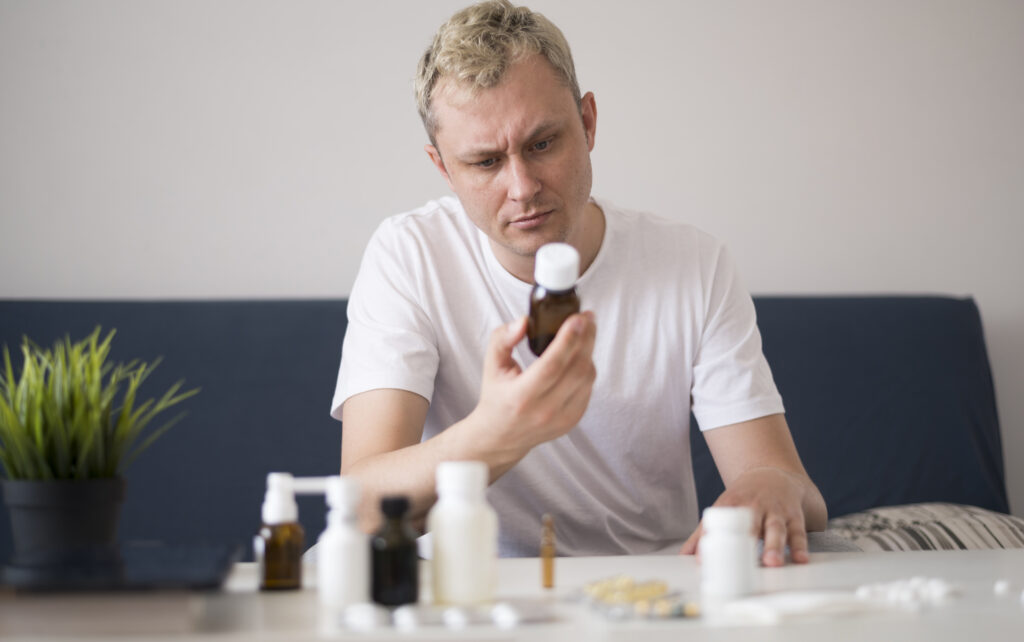
Testosterone is the primary male sex hormone responsible for the development and maintenance of male reproductive tissues and secondary sexual characteristics. It plays an essential role in muscle growth, bone strength, sperm production, sexual function, energy levels, mood, and overall vitality.
Although testosterone is produced throughout life, levels gradually decline with age. Furthermore, maintaining healthy testosterone levels supports physical performance, mental well-being, and reproductive health.
Testosterone affects many functions within the body.
It helps:
Therefore, balanced testosterone levels contribute significantly to overall health and quality of life.
Several health and lifestyle factors may contribute to declining testosterone levels.
Aging: Testosterone naturally begins to decline after the age of 30.
Chronic Stress: Long-term stress increases cortisol levels, which may negatively influence testosterone production.
Obesity: Excess body fat may reduce testosterone production and affect hormone balance.
Diabetes: Poorly controlled diabetes may contribute to hormonal changes and reduced testosterone levels.
Poor Sleep: Inadequate or poor-quality sleep may interfere with normal hormone production.
Smoking, excessive alcohol consumption, poor nutrition, physical inactivity, and chronic illness may all affect testosterone levels.
Low testosterone can affect both physical and emotional health.
Common symptoms include:
Therefore, recognizing these symptoms early allows timely evaluation and appropriate treatment.
Some men are more likely to develop low testosterone.
Risk factors include:
Managing these factors may help support healthy hormone levels.
According to Ayurveda, male vitality depends on healthy Shukra Dhatu (reproductive tissue), balanced Vata, Pitta, and Kapha Doshas, efficient digestion (Agni), and strong Ojas.
Furthermore, poor digestion, toxin accumulation (Ama), chronic stress, inadequate sleep, and unhealthy lifestyle habits may weaken reproductive tissues and reduce vitality. Rather than focusing only on hormone levels, Ayurveda aims to restore the body’s natural balance to support long-term health.
Ayurvedic treatment is always personalized according to an individual’s body constitution and health condition.
Management may include:
Together, these measures help improve overall vitality and reproductive wellness naturally.
Several herbs have traditionally been used to support male hormonal health.
Ashwagandha: Traditionally used to promote vitality, reduce stress, and support healthy testosterone levels.
Shilajit: Supports energy, stamina, and overall male wellness.
Safed Musli: Traditionally valued for supporting male reproductive health and physical strength.
Kaunch Beej: Supports reproductive function and male vitality.
Gokshura: Traditionally used to support urinary and reproductive health.
These herbs should always be taken under the supervision of a qualified Ayurvedic physician.
Simple lifestyle improvements can make a significant difference.
Eat a balanced diet containing lean protein, healthy fats, whole grains, fresh fruits, vegetables, nuts, and seeds. Furthermore, regular strength training and physical activity help maintain muscle mass and support healthy hormone production.
Similarly, maintaining a healthy weight, getting seven to eight hours of quality sleep, managing stress through yoga and meditation, avoiding smoking, limiting alcohol consumption, and staying physically active all contribute to healthy testosterone levels.
Consistency remains the key to long-term hormonal health.
Professional evaluation is recommended if you experience:
Early diagnosis helps identify the underlying cause and allows timely, personalized treatment.
Testosterone plays a vital role in maintaining men’s physical strength, reproductive health, emotional well-being, and overall vitality. While hormone levels naturally decline with age, unhealthy lifestyle habits, stress, obesity, and certain medical conditions can accelerate this process.
Ayurveda offers a holistic approach by addressing the root causes through personalized herbal therapies, balanced nutrition, stress management, and healthy lifestyle modifications. With proper guidance and consistent healthy habits, men can naturally support hormonal balance and improve their overall quality of life.
Testosterone is the primary male sex hormone responsible for reproductive health, muscle strength, bone health, energy levels, and sexual function.
Common causes include aging, obesity, diabetes, chronic stress, poor sleep, certain medications, and unhealthy lifestyle habits.
Yes. Ayurveda supports hormonal balance naturally through personalized herbal therapies, healthy nutrition, stress management, and lifestyle modifications.
Ashwagandha, Shilajit, Safed Musli, Kaunch Beej, and Gokshura are traditionally used under the guidance of a qualified Ayurvedic physician.
Yes. Chronic stress may increase cortisol levels, which can negatively affect testosterone production.
Testosterone levels generally begin to decline gradually after the age of 30, although the rate varies among individuals.
If you experience persistent fatigue, reduced libido, erectile dysfunction, mood changes, or fertility concerns, consult a qualified healthcare professional or experienced Ayurvedic physician for proper evaluation and personalized care.






© Subash Goyal 2021 | Designed & Maintained By Epic Web Service