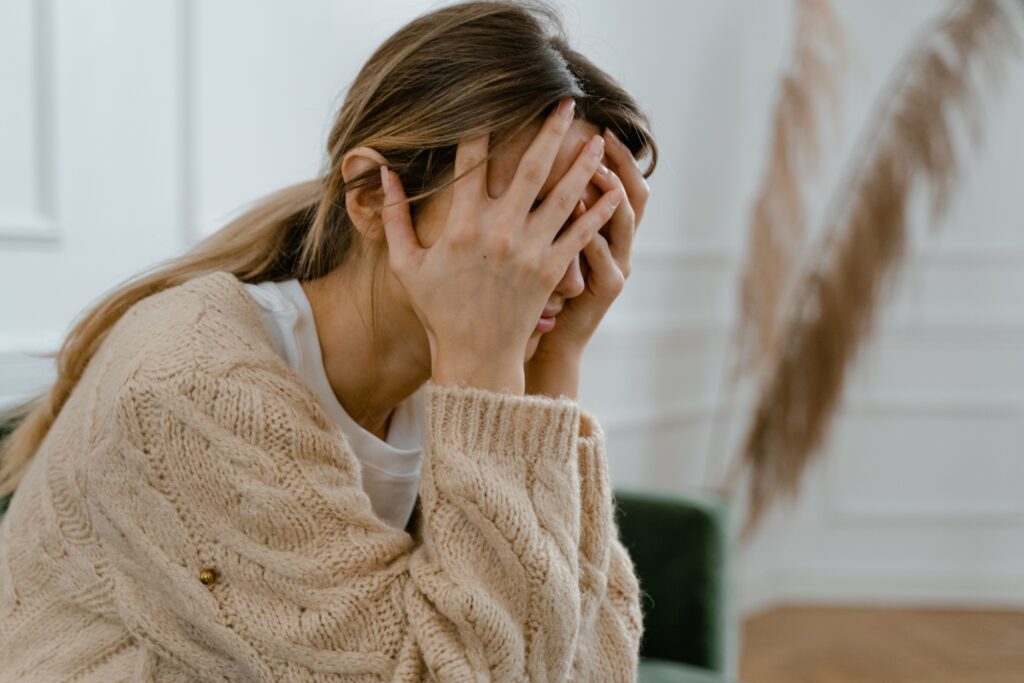
Anxiety activates the body’s stress response. When a person is frequently worried or tense, the body may remain in a state of heightened alertness. This can make relaxation and sexual arousal more difficult.
Sexual activity involves both physical and psychological responses. Persistent anxiety may interfere with concentration, confidence, desire, and physical arousal. For some people, concerns about sexual performance can create additional anxiety, resulting in a cycle that may become difficult to break.
The effect is not the same for everyone. Anxiety may affect sexual health differently depending on its severity, duration, personal circumstances, relationships, medications, and overall health.
Yes, ongoing anxiety may be associated with reduced sexual desire.
When the mind is occupied with worries about work, relationships, finances, health, or other concerns, sexual thoughts may become less of a priority. Constant mental tension can also contribute to fatigue and difficulty enjoying intimate moments.
Some people may continue to have sexual desire but find it difficult to become mentally engaged or relaxed.
Anxiety can sometimes contribute to performance-related sexual difficulties.
For men, anxiety may make it harder to achieve or maintain an erection or may contribute to premature ejaculation. For women, anxiety may affect arousal, lubrication, comfort, or the ability to enjoy intimacy.
Importantly, experiencing these difficulties does not automatically mean that anxiety is the only cause. Physical health conditions, medications, hormonal changes, and relationship factors can also contribute.
Performance anxiety can create a particularly challenging cycle.
A person may become worried about whether they will perform well. That worry can increase physical tension and make sexual arousal more difficult. After an uncomfortable experience, the person may become even more concerned about the next intimate encounter.
Open communication with a partner and professional guidance can help address this cycle.
Anxiety can also influence emotional closeness. Someone experiencing persistent worry may withdraw from intimacy or feel uncomfortable discussing sexual concerns.
Partners may misunderstand these changes as a lack of attraction or interest, which can create additional emotional pressure.
Honest and respectful communication can help both partners understand that sexual difficulties may have multiple causes and are not necessarily a reflection of attraction or affection.
Managing anxiety is an important part of overall well-being. Depending on the individual situation, useful approaches may include regular physical activity, adequate sleep, relaxation techniques, mindfulness, balanced nutrition, and professional counselling or therapy.
If an anxiety disorder has been diagnosed, following the treatment plan recommended by a qualified healthcare professional is important.
It is also worth discussing medication-related sexual side effects with a healthcare professional rather than stopping prescribed medication independently.
Ayurveda traditionally emphasizes balance between the body and mind and may include practices involving lifestyle, nutrition, yoga, meditation, and selected herbs.
However, people with an anxiety disorder should consult a qualified healthcare professional before starting herbal supplements, particularly if they are already taking medicines. Natural products can still have side effects or interact with medications.
If anxiety is persistent or sexual difficulties continue for several weeks, professional guidance can help identify possible causes.
A healthcare professional may consider physical health, mental health, medications, hormones, relationship factors, and lifestyle before recommending an appropriate approach.
Can anxiety disorders affect sexual health? Yes, they can. Persistent anxiety may influence sexual desire, arousal, confidence, performance, and intimacy.
Sexual difficulties should not be a source of shame. Understanding the connection between mental and sexual health can make it easier to seek appropriate support. Managing anxiety, maintaining healthy daily habits, communicating openly, and getting professional guidance when needed can all contribute to better overall sexual wellness.