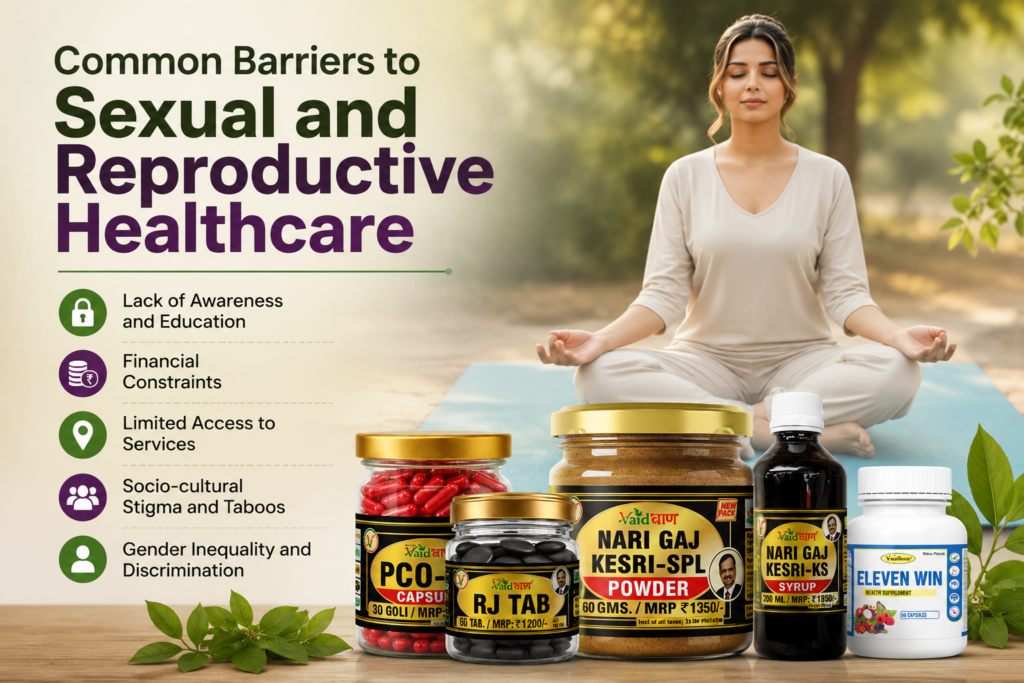
One of the most common barriers is discomfort when discussing intimate subjects. People may feel nervous about explaining changes in sexual desire, sexual performance, fertility, or reproductive health to another person. This hesitation can result in delayed consultations and unnecessary worry. A respectful environment can make these conversations easier. When individuals know that their concerns will be treated with dignity and confidentiality, they are more likely to ask questions and seek guidance before a problem begins to interfere with their daily life or relationships.
Social attitudes can strongly influence healthcare decisions. Sexual difficulties are sometimes wrongly associated with weakness, ageing, poor character, or a lack of confidence. Such beliefs can prevent people from acknowledging genuine health concerns. Women may also experience stigma around reproductive or sexual issues, while men can feel pressure to appear sexually strong at all times. Better awareness can challenge these misconceptions. Ayurvedic wellness discussions can provide an opportunity to promote balanced thinking, healthy habits, and informed decisions without creating shame or unrealistic expectations.
Another barrier does simply not know when professional advice is necessary. For instance, persistent tiredness may be ignored, while reduced libido may automatically be attributed to stress. Similarly, fertility concerns may be misunderstood or blamed on only one partner. Sexual and reproductive symptoms can have numerous causes, including lifestyle factors, psychological concerns, hormonal changes, infections, medicines, and underlying health conditions. Reliable information can help people understand their symptoms and recognise when an evaluation is appropriate instead of depending entirely on self-diagnosis.
Healthcare costs can influence whether someone decides to seek help. Consultation fees, diagnostic tests, medicines, transportation, and repeated appointments may become difficult for some families to manage. As a result, people sometimes postpone care until symptoms become more troublesome. Affordable services and clear information about expected costs can make healthcare more approachable. Ayurvedic wellness consultations may also focus on practical lifestyle measures, but financial considerations should never encourage people to substitute unverified products for necessary medical diagnosis or treatment.
Privacy is especially important when people seek sexual healthcare. Someone experiencing erectile difficulties, premature ejaculation, low libido, male fertility concerns, or performance anxiety may worry about personal information becoming known to others. Women can have similar concerns when discussing fertility, sexual discomfort, menstrual changes, or reproductive symptoms. Private consultations and professional confidentiality can help create trust. A person who feels safe is more likely to describe symptoms honestly, which can make it easier to determine whether wellness guidance, testing, or medical referral is required.
Not everyone lives close to a healthcare centre that provides appropriate sexual and reproductive services. Travel distance, transportation difficulties, work schedules, and limited local facilities can discourage regular consultations. Digital consultations may improve convenience for some people, particularly for initial discussions and follow-ups. However, certain concerns still require physical examinations, laboratory investigations, or specialist care. Improving healthcare access therefore involves connecting people with the right service rather than simply increasing the number of available appointments.
A previous negative healthcare experience can make someone reluctant to seek help again. Patients may worry that a practitioner will dismiss their concerns, criticise their lifestyle, or make assumptions about their relationships. Sensitive healthcare requires patience and respectful communication. Ayurvedic practitioners and other healthcare professionals can help by listening carefully, explaining recommendations clearly, and avoiding exaggerated claims. When patients feel respected, they are more likely to continue appropriate care and communicate changes in their condition.
Sexual health is surrounded by a large amount of online information, but not everything available is accurate. Products claiming immediate results for sexual performance, fertility, testosterone, or energy can create unrealistic expectations. Some people may spend money on unsuitable products while delaying proper assessment. Ayurvedic products should also be selected carefully because herbal does not automatically mean risk-free. A responsible wellness approach should explain realistic expectations and encourage professional advice, particularly when someone takes medication or has an existing health concern.

Reducing barriers requires a combination of education, affordability, confidentiality, convenient services, and respectful communication. People should have access to understandable information about sexual wellness, reproductive health, fertility, prevention, and common concerns. Healthcare centres can provide private consultations and convenient follow-up options, while Ayurvedic wellness services can focus on healthy routines, nutrition, sleep, stress management, and general vitality. Most importantly, persistent symptoms should be referred for appropriate medical evaluation rather than managed through assumptions or unverified remedies.
Barriers to sexual and reproductive healthcare can prevent people from receiving timely and appropriate support. Embarrassment, stigma, cost, privacy concerns, misinformation, and limited availability can all play a role. These challenges can be reduced through better education, confidential consultations, affordable services, and respectful communication. An Ayurvedic wellness approach can complement this effort by encouraging balanced routines, healthy nutrition, stress management, and attention to overall vitality. Subhash Goyal believes that informed and responsible wellness choices can encourage people to take sexual and reproductive health seriously and seek suitable professional guidance when needed.