
Male fertility is an important part of reproductive health and significantly influences a couple’s ability to conceive naturally. However, modern lifestyles, poor dietary habits, chronic stress, lack of physical activity, and hormonal imbalances have contributed to a growing number of fertility concerns among men. Therefore, addressing these issues at their root is essential for improving reproductive health. At Subhash Goyal, every treatment plan is tailored to an individual’s body constitution and health condition. As a result, the focus remains on improving overall wellness while naturally supporting male fertility and reproductive strength.

What is Male Fertility?

Male fertility refers to a man’s ability to contribute to conception by producing healthy sperm in adequate quantity and quality. For successful fertilization, sperm count, motility, morphology, and hormonal balance are important. Therefore, any imbalance may reduce the chances of conception. Moreover, lifestyle habits, nutritional deficiencies, medical conditions, aging, and environmental factors can affect reproductive health. In addition, excessive stress, poor sleep, an unhealthy diet, smoking, and lack of physical activity may negatively influence sperm health. Thus, maintaining a balanced lifestyle and nutritious diet can help support overall male reproductive wellness.
Causes and Symptoms
Male fertility problems may develop due to various physical, hormonal, and lifestyle factors. For example, low sperm count, poor motility, abnormal morphology, hormonal imbalances, varicocele, obesity, diabetes, infections, and certain medications may affect fertility. Furthermore, smoking, excessive alcohol consumption, chronic stress, poor nutrition, inadequate sleep, and environmental toxins can reduce sperm quality over time. However, fertility problems may not cause noticeable symptoms. Therefore, many couples discover the issue only after experiencing difficulty conceiving despite regular unprotected intercourse.

Ayurveda View

According to Ayurveda, male fertility is closely associated with Shukra Dhatu, the reproductive tissue that supports healthy sperm production and vitality. Furthermore, balanced Agni (digestive fire) helps nourish Shukra Dhatu and supports reproductive wellness. However, poor digestion, stress, inadequate sleep, unhealthy habits, and toxin accumulation (Ama) may affect fertility over time. Therefore, Ayurveda emphasizes personalized herbal formulations, a balanced diet, lifestyle changes, yoga, meditation, and Panchakarma therapies. Together, these approaches may support hormonal balance, reproductive health, vitality, and overall male fertility.


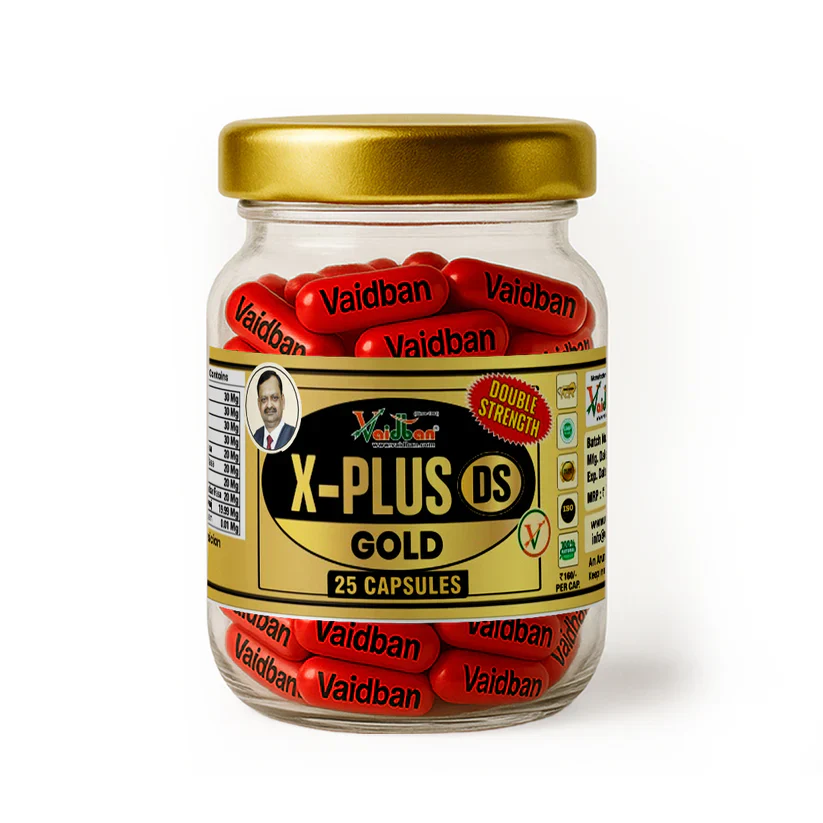
Ayurveda aims to support male reproductive health through personalized herbal therapies, nutrition, lifestyle modifications, and stress management.
Low sperm count, poor sperm motility, hormonal imbalance, varicocele, stress, unhealthy lifestyle habits, and certain medical conditions may affect fertility.
Ashwagandha, Safed Musli, Kaunch Beej, Gokshura, and Shilajit are traditionally used to support male reproductive wellness.
Yes. Chronic stress may influence hormone production and reproductive health.
A balanced diet rich in essential nutrients supports overall reproductive function and general well-being.
Yes. Regular exercise, healthy weight management, quality sleep, stress reduction, and avoiding smoking and excessive alcohol may positively support fertility.
The duration varies depending on the individual’s health condition, body constitution, and underlying causes. An Ayurvedic physician can recommend a personalized treatment plan after evaluation.
© Subash Goyal 2021 | Designed & Maintained By Epic Web Service