
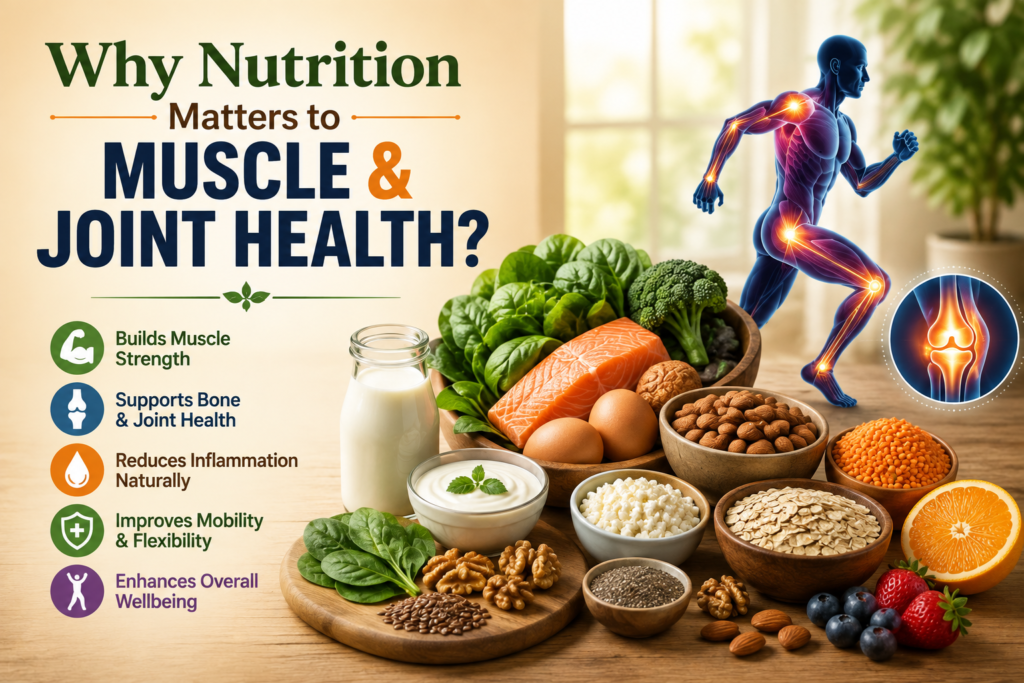
Protein supplies amino acids needed for maintaining and repairing muscle tissue. Foods such as pulses, beans, dairy products, eggs, fish, lean meats, nuts, and seeds can help provide sufficient protein throughout the day. Combining adequate protein with regular strength-building activity can be especially useful for maintaining muscle as people age.
Calcium contributes to normal bone structure, while vitamin D helps the body absorb calcium and supports normal muscle function. Dairy products, fortified foods, leafy vegetables, sesame seeds, and certain fish can contribute calcium to the diet. Vitamin D is obtained through sunlight exposure and selected foods, although some people may require supplementation based on individual needs and professional advice.
Healthy fats, particularly those containing omega-3 fatty acids, can be included as part of a balanced diet. Sources include fatty fish, walnuts, flaxseeds, and chia seeds. These foods can complement an overall eating pattern designed to support general wellness. They should be consumed alongside vegetables, fruits, whole grains, and other nutrient-rich foods rather than viewed as a treatment for joint conditions.
Water is essential for many bodily functions, including maintaining normal physical performance. Adequate hydration can be particularly important during exercise, hot weather, or prolonged physical activity. Instead of relying heavily on sugary drinks, make plain water a regular part of your daily routine.
Colourful fruits and vegetables provide vitamins, minerals, and naturally occurring plant compounds. Berries, citrus fruits, tomatoes, carrots, spinach, broccoli, and other vegetables can make meals more nutritionally diverse. A varied diet helps supply the range of nutrients needed for overall muscle, bone, and joint health.
Excessive intake of highly processed foods, added sugars, and unhealthy fats can make it harder to maintain a balanced diet. Instead, focus on whole or minimally processed foods and maintain a healthy body weight. Managing weight can also reduce unnecessary mechanical stress on weight-bearing joints.

Good nutrition is only one part of maintaining strong muscles and comfortable movement. Regular physical activity, appropriate strength exercises, sufficient sleep, hydration, and maintaining a healthy weight all contribute to musculoskeletal wellness. Ayurvedic dietary practices may also be incorporated as part of a broader wellness routine provided they are appropriate for the individual.
Nutrition plays a fundamental role in maintaining healthy muscles, bones, and joints. Adequate protein, calcium, vitamin D, healthy fats, minerals, and hydration can help support normal physical function and mobility. When combined with regular exercise, strength-building activities, healthy body weight, and adequate rest, a balanced diet can contribute to long-term musculoskeletal wellness. As part of a holistic approach associated with Subhash Goyal, nutritional choices should be considered alongside daily habits and individualized wellness needs.