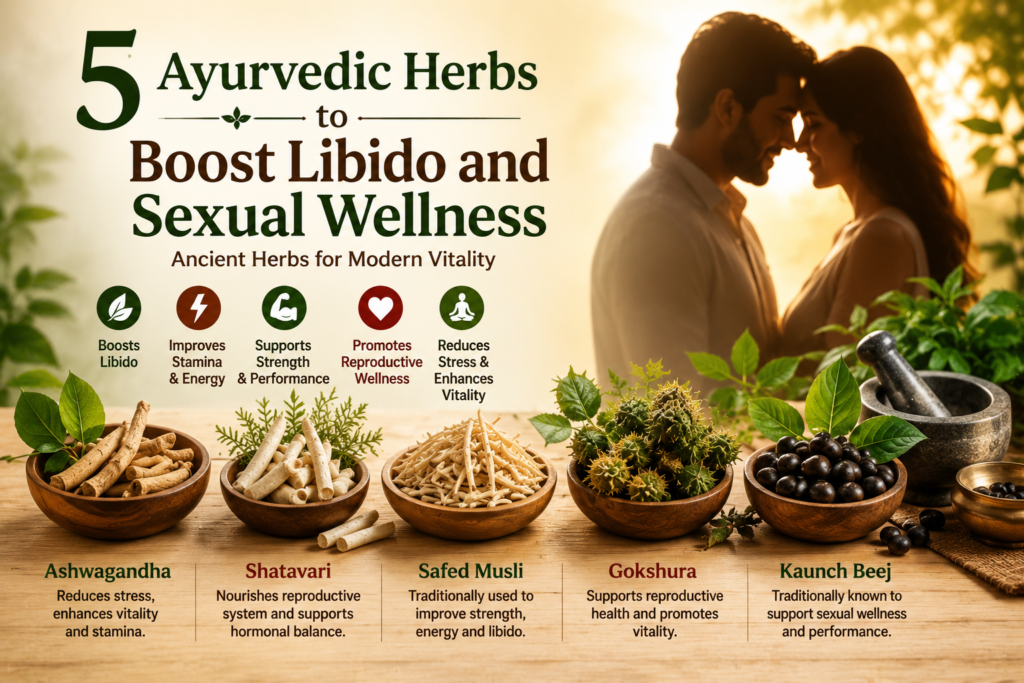
Ashwagandha is one of the most widely used Ayurvedic herbs for general vitality. It is traditionally valued for supporting resilience and helping the body adapt to stress. Since ongoing stress and poor sleep can affect sexual interest, maintaining better overall wellbeing may indirectly support a healthy sex life.
Shatavari has a long history of use in Ayurvedic wellness, particularly in women’s health. It is traditionally associated with nourishment and reproductive wellbeing. It may be considered as part of a broader approach to supporting women’s sexual wellness, alongside balanced nutrition, restful sleep, and emotional wellbeing.
Safed Musli is traditionally regarded as a rejuvenating herb and is commonly included in Ayurvedic formulations designed to support strength and vitality. Its traditional use makes it popular in men’s wellness products. However, individual responses can differ, and more clinical research is needed to establish its effectiveness specifically for libido.
Although Shatavari is often associated with women’s wellness, its traditional nourishing properties have also led to broader use in Ayurvedic formulations. Herbal combinations should be selected according to individual needs rather than assuming that the same ingredient works equally well for everyone.
Gokshura is traditionally used in Ayurveda to support urinary and reproductive wellness. It is found in various herbal formulations intended to promote general vitality. However, claims about directly increasing libido should be approached cautiously because scientific evidence remains limited.
Herbs work best when they complement healthy daily habits. A nutrient-rich diet, regular exercise, sufficient sleep, stress management, and avoiding excessive alcohol or tobacco can all contribute to sexual wellbeing. If low libido continues, identifying the underlying cause is more important than simply adding an herbal product.
Natural does not automatically mean suitable for everyone. Herbal supplements may interact with medicines or may not be appropriate during certain health conditions. Anyone experiencing persistent changes in sexual desire, erectile difficulties, pain, hormonal concerns, or other symptoms should consider professional medical advice before beginning supplements.
Ayurvedic herbs can be considered as part of a broader wellness strategy rather than a quick solution for sexual concerns. Traditional practices, healthy routines, and appropriate professional guidance can work together to support overall wellbeing. As Subhash Goyal emphasizes through an Ayurvedic wellness approach, consistency and individualized care are important when working toward better vitality and sexual health.
Ayurvedic herbs such as Ashwagandha, Shatavari, Safed Musli, and Gokshura have traditionally been used to support vitality, reproductive wellness, and overall strength. Their potential benefits are best considered as part of a broader lifestyle that includes nutritious food, exercise, quality sleep, stress management, and emotional wellbeing. Subhash Goyal emphasizes a balanced and individualized approach to wellness, where traditional Ayurvedic practices can complement healthy habits and appropriate professional guidance rather than replace necessary medical care.