
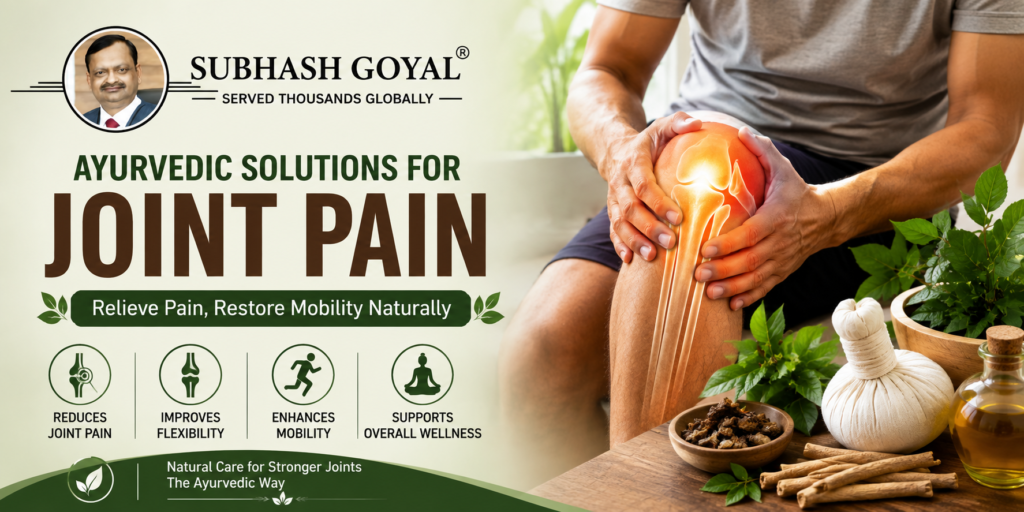
Joint pain can have many causes. Temporary discomfort may occur after strenuous exercise or physical activity. However, persistent pain may be associated with conditions such as osteoarthritis, rheumatoid arthritis, gout, previous injuries, or other musculoskeletal problems.
Knee pain is particularly common because the knees carry much of the body’s weight. Hip, shoulder, wrist, ankle, and back-related joint discomfort can also affect daily life.
Because the underlying cause matters, persistent or severe joint pain should be evaluated rather than treated only based on symptoms.
Ayurveda traditionally considers the balance of bodily functions and the quality of digestion, lifestyle, and movement when addressing musculoskeletal wellness.
Traditional Ayurvedic approaches may include dietary adjustments, appropriate physical activity, yoga, oil-based external therapies, massage techniques, and selected herbal preparations.
The exact approach should depend on the person’s age, symptoms, medical history, physical condition, and underlying cause.
Yes. Everyday habits can make an important difference.
Maintaining a healthy body weight may reduce unnecessary stress on weight-bearing joints, particularly the knees and hips. Regular low-impact movement can help maintain flexibility and muscle strength.
Walking, gentle yoga, stretching, swimming, and other suitable activities may be considered depending on an individual’s physical condition.
However, exercise should be adapted when significant pain or injury is present. For example, someone with acute injury should not force movement simply because exercise is generally beneficial.
A balanced diet is an important part of overall wellness. Fresh vegetables, fruits, whole grains, adequate protein, and healthy sources of fats can support general nutrition.
Highly processed foods and excessive intake of sugary or fried foods should generally be limited.
Adequate hydration is also important. However, individual fluid requirements can vary depending on age and medical conditions.
Ayurveda may recommend dietary changes based on an individual’s constitution and health concerns rather than following the same diet for everyone.
Oil-based massage and other traditional external therapies have long been used in Ayurveda for relaxation and musculoskeletal wellness.
Such therapies may help some people feel more comfortable and relaxed, but they should not be considered a guaranteed treatment for every cause of joint pain.
If swelling, redness, severe pain, fever, significant weakness, or sudden loss of movement is present, professional medical evaluation should be prioritized.
It is important to use realistic expectations. Arthritis includes several different conditions, and there is no single treatment that works for everyone.
Ayurvedic approaches may be used to support comfort, mobility, lifestyle management, and overall wellness. However, they should not be promoted as a guaranteed cure or as a reason to stop prescribed treatment.
A qualified practitioner can help determine whether Ayurvedic therapies are appropriate alongside other forms of care.

Subhash Goyal emphasizes a holistic understanding of health. From an Ayurvedic perspective, joint wellness is not viewed only through the location of pain. Diet, digestion, lifestyle, activity level, body constitution, age, and existing health conditions may all be considered.
Personalized guidance can be particularly important for people who have long-standing joint discomfort or who are already taking medication.
The goal should be to develop healthy and sustainable habits rather than depend solely on temporary symptom management.
Regular movement should be made part of the daily routine whenever medically appropriate. Long periods of inactivity can contribute to stiffness, while suitable movement can help maintain mobility.
A healthy weight, balanced nutrition, adequate sleep, stress management, and appropriate exercise can also contribute to overall musculoskeletal health.
People with persistent joint pain should also avoid delaying diagnosis. Early evaluation may help identify the underlying cause and determine the most appropriate treatment strategy.
Joint pain can have many different causes, so effective management begins with understanding the underlying problem. Ayurveda offers a traditional, holistic approach that may include dietary guidance, lifestyle changes, yoga, massage, and selected therapies under professional supervision.
Rather than looking for a quick cure, a long-term approach to joint wellness should focus on healthy weight, regular movement, balanced nutrition, adequate rest, and appropriate professional care.
Subhash Goyal promotes an individualized Ayurvedic approach that considers the person’s overall health rather than focusing only on joint pain. Anyone experiencing persistent or severe symptoms should seek appropriate medical evaluation before beginning a new treatment program.