
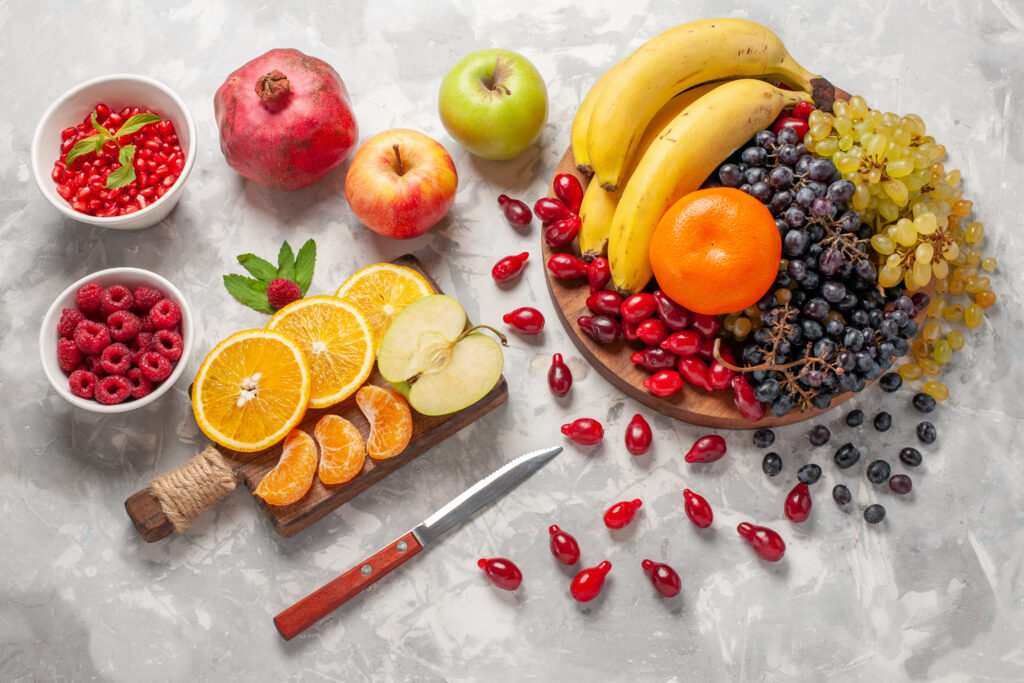
Have you been told to avoid fruits because you have diabetes? Are you confused about which fruits are safe to eat and which ones should be consumed in moderation? Many people believe that all fruits increase blood sugar levels, but that is not entirely true. Choosing the right fruits in appropriate portions can provide essential vitamins, minerals, antioxidants, and fiber while supporting healthy blood sugar management.
As an Ayurvedic physician, I often meet patients who eliminate fruits from their diet after being diagnosed with diabetes. At Vaidban Ayurveda Bhawan by Subhash Goyal, we help individuals understand that a balanced diet is an important part of diabetes management. Ayurveda focuses on selecting foods according to an individual’s body constitution, digestive strength, and overall health rather than completely restricting nutritious foods. In this article, I’ll explain the Best Fruits for Diabetes, their health benefits, and how Ayurveda supports healthy blood sugar naturally.
Yes, people with diabetes can enjoy many fruits as part of a balanced diet. Furthermore, fruits are naturally rich in vitamins, minerals, antioxidants, and dietary fiber that support overall health.
However, not all fruits affect blood sugar in the same way. Fruits with a lower glycemic index (GI) and higher fiber content generally cause a slower rise in blood sugar levels. Therefore, choosing the right fruits and eating them in moderate portions is essential for maintaining healthy glucose levels.
According to Ayurveda, food should nourish the body without disturbing the balance of the doshas. Fresh seasonal fruits, when consumed appropriately, can support digestion, metabolism, and overall wellness.
Several fruits can be included in a diabetes-friendly diet when consumed in moderation.
Apples: Apples are rich in dietary fiber and antioxidants. Furthermore, their soluble fiber helps slow the absorption of sugar into the bloodstream, making them an excellent choice for people with diabetes.
Guava: Guava is high in fiber and Vitamin C while being relatively low in natural sugars. It also supports healthy digestion and overall immunity.
Berries: Strawberries, blueberries, and blackberries contain antioxidants that help reduce oxidative stress. Moreover, their fiber content supports better blood sugar control.
Pears: Pears are rich in fiber and provide long-lasting satiety. Therefore, they can help reduce unnecessary snacking and support healthy blood sugar management.
Oranges: Whole oranges provide Vitamin C, fiber, and hydration. However, eating the whole fruit is healthier than drinking fruit juice because fiber helps slow sugar absorption.
Kiwi: Kiwi contains Vitamin C, potassium, and fiber that support digestion and overall metabolic health while having a relatively low glycemic index.
Papaya: Papaya contains antioxidants and digestive enzymes that promote healthy digestion. When consumed in moderation, it can be included in a diabetes-friendly meal plan.
Although fruits are healthy, some contain higher amounts of natural sugars.
Mangoes, bananas, grapes, chikoo (sapota), and ripe pineapples should be consumed in controlled portions, particularly if blood sugar levels are not well managed. Furthermore, portion control is more important than completely avoiding these fruits.
It is always advisable to discuss your dietary choices with a healthcare professional or qualified Ayurvedic physician.
According to Ayurveda, diabetes is known as Madhumeha and is associated with an imbalance of Kapha Dosha, weakened digestive fire (Agni), and the accumulation of toxins (Ama).
Therefore, Ayurveda does not classify foods as simply “good” or “bad.” Instead, dietary recommendations are personalized according to an individual’s body constitution, digestion, season, and overall health condition.
Fresh, seasonal fruits consumed in moderation and at the appropriate time of day are generally preferred over processed foods, fruit juices, or canned fruits containing added sugars.
Making smart food choices can help maintain healthy blood sugar levels.
Choose whole fruits instead of fruit juices whenever possible. Furthermore, eat fruits alongside balanced meals rather than on an empty stomach if recommended by your healthcare provider.
Practice portion control and avoid consuming multiple high-sugar fruits together. Similarly, combine healthy eating with regular physical activity to improve insulin sensitivity and overall metabolic health.
Staying hydrated, maintaining a healthy weight, and managing stress also contribute to better blood sugar control.
Ayurveda emphasizes that healthy lifestyle habits are just as important as dietary choices.
Regular walking, yoga, meditation, adequate sleep, and stress management support healthy metabolism and improve overall well-being. Furthermore, personalized herbal therapies may be recommended according to an individual’s specific health needs.
Combining healthy nutrition with a balanced daily routine helps support long-term diabetes management naturally.
If you have diabetes or prediabetes and are unsure which fruits are suitable for your condition, consult a qualified healthcare professional.
Dietary recommendations should always consider your blood sugar levels, medications, age, physical activity, and overall health. Therefore, personalized guidance can help you make healthier food choices while maintaining good glucose control.
Choosing the Best Fruits for Diabetes does not mean giving up the enjoyment of fresh, nutritious foods. With the right fruit choices, proper portion sizes, and a balanced lifestyle, individuals with diabetes can safely include many fruits in their daily diet.
Ayurveda Consultant Subhash Goyal supports healthy blood sugar management by promoting individualized nutrition, balanced digestion, and healthy lifestyle habits. When combined with regular medical care, these natural principles can help support long-term metabolic health and overall well-being.
Yes. Most people with diabetes can enjoy fruits in moderation as part of a balanced diet.
Apples, guava, berries, pears, oranges, kiwi, and papaya are commonly recommended because they are rich in fiber and nutrients.
Mangoes, bananas, grapes, chikoo, and ripe pineapple should be consumed in controlled portions.
Whole fruits are generally a better choice because they contain fiber, whereas fruit juices may cause a quicker rise in blood sugar.
Yes. Ayurveda supports healthy blood sugar management through personalized nutrition, herbal therapies, and lifestyle modifications alongside conventional medical care.
The ideal time may vary depending on your individual health condition, but fruits are generally best consumed in moderation as part of a balanced meal plan.
Yes. Even healthy fruits contain natural sugars, so portion control remains important for maintaining healthy blood sugar levels.
© Subash Goyal 2021 | Designed & Maintained By Epic Web Service