
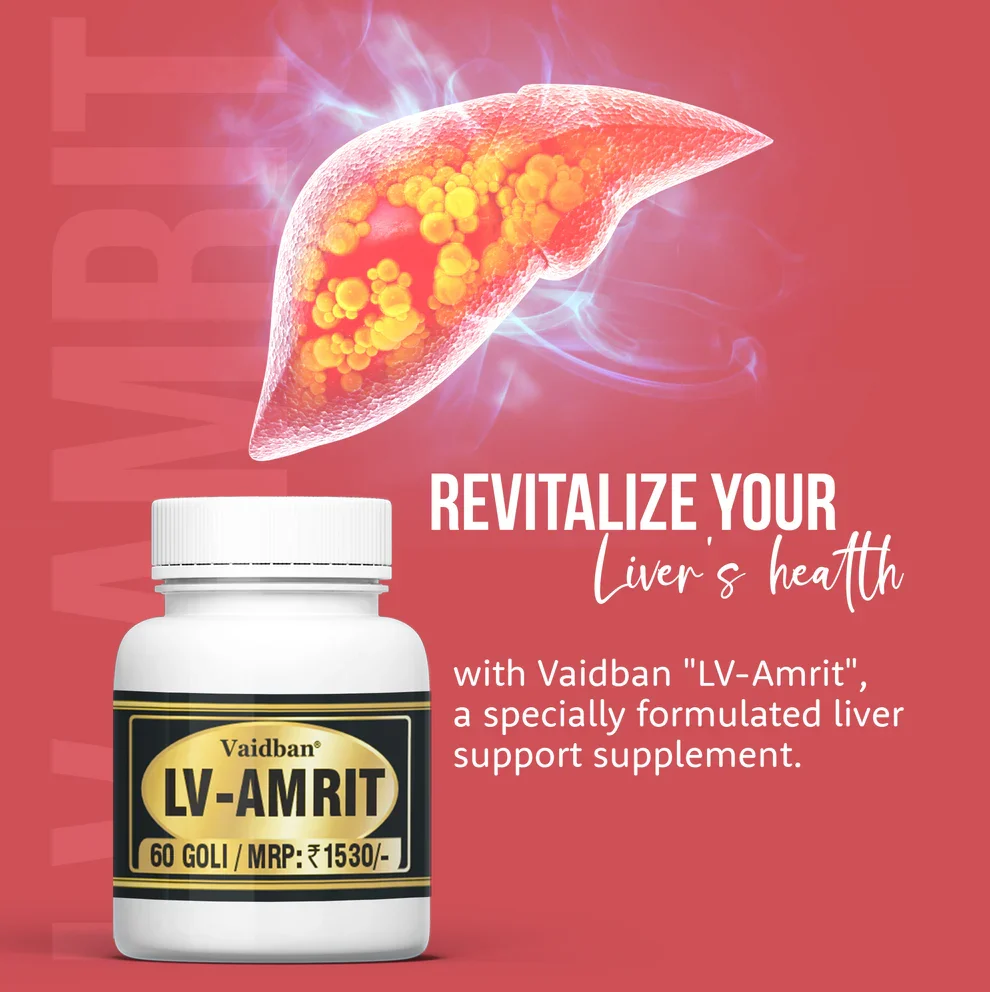
Liver conditions can develop for different reasons, and symptoms can vary from person to person. Some individuals may experience tiredness, nausea, poor appetite, bloating, or discomfort around the upper-right abdomen.
As liver problems progress, more noticeable symptoms may occur. These can include yellowish skin or eyes, swelling, unexplained weight changes, persistent itching, or changes in urine and stool color.
However, these symptoms can also occur with other health conditions. Therefore, proper medical evaluation and appropriate diagnostic tests are important before beginning any treatment plan.
Ayurveda traditionally places considerable importance on digestion and metabolism when discussing overall health. The liver is closely connected with these processes, and maintaining healthy digestion is considered an important part of maintaining systemic balance.
An Ayurvedic liver treatment approach may therefore focus on improving daily routines, supporting healthy digestion, maintaining balanced nutrition, and reducing lifestyle factors that may place unnecessary stress on the body.
Ayurvedic care is generally personalized. Factors such as diet, digestion, sleep, stress, physical activity, and individual constitution may be considered before a wellness plan is recommended.

Healthy lifestyle choices can play an important role in supporting the liver. First, focus on a balanced diet containing vegetables, fruits, appropriate protein, whole grains, and adequate fiber. Highly processed foods and excessive added sugar should be limited.
Hydration is also important for overall health. In addition, regular physical activity can support healthy body weight and metabolic function.
Alcohol can contribute to liver damage, so avoiding or limiting alcohol is an important consideration, particularly for people who already have liver problems.
Furthermore, unnecessary use of medicines or supplements should be avoided. Some substances can affect the liver, especially when taken incorrectly or in excessive amounts. Always discuss supplements and herbal products with a qualified healthcare professional.
Traditional Ayurvedic practices may include dietary recommendations, lifestyle modifications, yoga, meditation, and selected herbal preparations. Certain Ayurvedic herbs have traditionally been used to support digestion and liver wellness.
However, natural does not automatically mean risk-free. Some herbal products may interact with medicines or may be unsuitable for people with existing liver disease. Therefore, professional guidance is essential.
Ayurveda should be used as a complementary approach rather than as a replacement for medically recommended diagnosis, monitoring, or treatment.
Subhash Goyal is an Ayurvedic Consultant who provides guidance based on traditional Ayurvedic principles and individual wellness needs. For people interested in Ayurvedic liver treatment, personalized assessment can help determine which dietary and lifestyle practices may be appropriate.
A well-planned approach can focus on sustainable habits rather than quick solutions. At the same time, people experiencing warning signs of liver disease should seek medical evaluation promptly.
Liver health is closely connected with digestion, nutrition, metabolism, and overall well-being. Recognizing possible liver disease symptoms early can encourage timely evaluation and appropriate care.
Ayurvedic liver treatment may offer supportive traditional approaches through personalized nutrition, lifestyle management, stress reduction, and selected Ayurvedic therapies. However, diagnosed liver disease requires appropriate professional monitoring, and prescribed treatment should never be stopped without medical advice.
By combining responsible healthcare with healthy daily habits, individuals can take meaningful steps toward supporting long-term liver wellness.