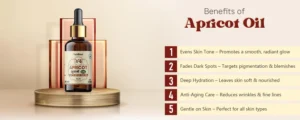

Dark spots can develop for several reasons. Acne, skin irritation, injuries, hormonal changes, sun exposure, and certain skin conditions can all contribute to pigmentation.
For example, after a pimple heals, the skin may leave behind a darker mark known as post-inflammatory hyperpigmentation.
Melasma is another common pigmentation condition that can cause brown or darker patches, particularly on the face. Sunlight, hormonal changes and stress can contribute to melasma.
Because the cause differs from person to person, one home remedy may not work for every type of pigmentation.

Coconut oil may help moisturize dry skin, but there is not strong clinical evidence that applying coconut oil to the face removes melasma or established pigmentation.
If someone enjoys using coconut oil as a moisturizer and their skin tolerates it, it may be used for that purpose. However, it should not replace sunscreen or evidence-based treatments for pigmentation.
This is where extra care is needed.
People with acne-prone skin may want to avoid applying heavy oils to the face because products containing oil can contribute to clogged pores and breakouts. The American Academy of Dermatology recommends oil-free or non-comedogenic skincare products for people with acne.
If coconut oil appears to make the skin more oily or causes new bumps, it is better to discontinue its use on the face.
If your goal is to reduce pigmentation, daily sun protection is one of the most important steps.
Sun exposure can make existing dark spots darker and can contribute to the development of new pigmentation. Dermatologists recommend broad-spectrum sunscreen with SPF 30 or higher. For some pigmentation conditions, tinted sunscreen containing iron oxide can also provide protection against visible light.
Consistent sun protection can make a significant difference over time.
Treatment depends on the cause of the pigmentation.
Dermatologists may recommend ingredients such as azelaic acid, vitamin C, kojic acid, retinoids, or prescription treatments depending on the individual’s skin and condition. Some people may also benefit from professional procedures.
It is important not to use harsh bleaching products or aggressive DIY treatments, as skin irritation can sometimes make pigmentation worse.
A simple skincare routine may be more helpful than constantly trying different home remedies.
A basic routine can include:
If a skincare product burns or stings, stop using it. Irritation can contribute to further darkening.
Consider professional advice if pigmentation is spreading, persistent, suddenly appearing, or not improving with a gentle skincare routine.
A dermatologist can determine whether the discoloration is melasma, post-inflammatory pigmentation, acne-related marks, or another skin condition and recommend an appropriate treatment plan.
Can coconut oil remove blemishes and pigmentation? Not reliably. Coconut oil may moisturize the skin, but it should not be considered a proven pigmentation-removal treatment.
If you have dark spots, focus first on identifying the cause and protecting your skin from sunlight. A gentle skincare routine and evidence-based ingredients may provide better results than relying solely on natural oils.
For persistent or stubborn pigmentation, consulting a dermatologist can help you choose a treatment that suits your skin type and condition.