

Testosterone is a hormone primarily produced in men. It plays an important role in maintaining physical strength, reproductive function, sexual desire, muscle development, and overall vitality. While its levels naturally change with age, an excessive decline may influence several aspects of health. Many people assume that its only affects sexual performance. However, hormonal balance also contributes to concentration, motivation, mood, and physical endurance. Therefore, maintaining healthy testosterone levels should be considered an important part of overall wellness rather than a concern limited to reproductive health.
The symptoms of low testosterone may develop gradually. As a result, many individuals fail to recognize them during the early stages. Common symptoms may include reduced energy, fatigue, decreased sexual desire, difficulty concentrating, mood changes, reduced stamina, and a decline in physical performance. Some individuals may also experience difficulty maintaining muscle mass despite regular exercise. Additionally, poor sleep and chronic stress may worsen existing symptoms. However, these symptoms do not always indicate low testosterone. Similar symptoms may develop because of nutritional deficiencies, stress, diabetes, thyroid disorders, or other health concerns.
Therefore, a proper evaluation should always be considered before making assumptions.
Ayurveda approaches health through the balance of the body’s natural systems.
According to Ayurvedic principles, reproductive health is closely associated with Shukra Dhatu, while vitality and immunity are connected with Ojas. When digestion weakens, lifestyle habits become unhealthy, and stress increases, the body’s natural balance may be affected. Consequently, physical and emotional well-being may gradually decline. Instead of focusing exclusively on laboratory values, Ayurveda emphasizes a broader perspective that includes nutrition, digestion, physical activity, sleep, emotional health, and daily routines. Therefore, Ayurvedic wellness programs often aim to support the body’s natural functions through a personalized approach.
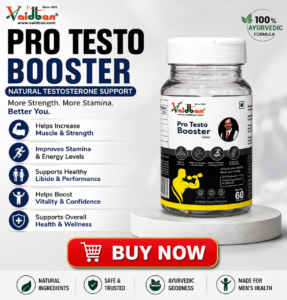
Several herbs have traditionally been used in Ayurvedic practice to support male wellness.
However, herbal products should never be used without professional guidance because individual requirements differ significantly.
Lifestyle choices play an important role in maintaining hormonal balance.
Regular physical activity may support muscle strength and improve overall well-being. Similarly, maintaining a healthy body weight may contribute to better metabolic health. Nutrition should also receive adequate attention. A balanced diet that includes proteins, healthy fats, fruits, vegetables, and whole grains may support normal body functions. Furthermore, sleep should never be underestimated. Research continues to highlight the relationship between sleep quality and hormone regulation. Stress management is equally important. Meditation, yoga, breathing exercises, and relaxation techniques may help reduce emotional stress and support overall wellness. Therefore, combining healthy habits with Ayurvedic guidance may provide a more comprehensive approach to men’s health.
You should consider professional consultation if you experience persistent fatigue, reduced stamina, low sexual desire, mood changes, or a noticeable decline in energy. Similarly, individuals managing diabetes, obesity, sleep disorders, or chronic stress should pay close attention to hormonal health. Early intervention often provides a better opportunity to identify contributing factors and develop an appropriate wellness strategy.
Testosterone influences much more than physical strength. It affects energy, mood, reproductive health, confidence, and overall quality of life. Fortunately, Ayurveda promotes a holistic approach that combines nutrition, healthy routines, stress management, and traditional wellness practices. If you are exploring natural ways to support hormonal balance and vitality, consult Subhash Goyal to learn how personalized Ayurvedic guidance may help you achieve your long-term wellness goals.