
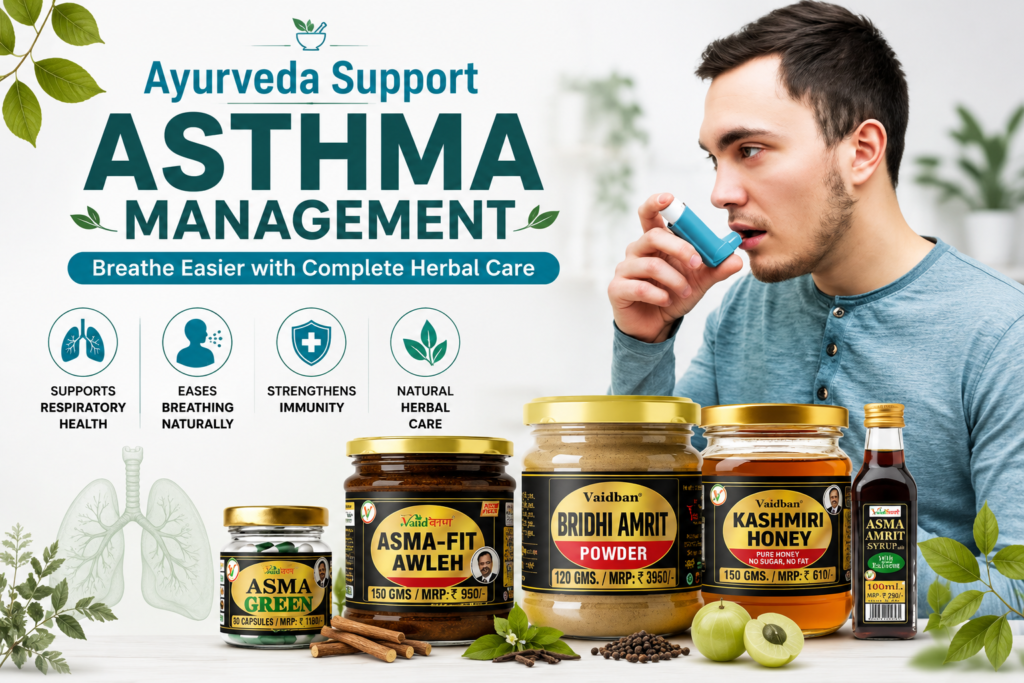
Can Ayurveda Support Asthma Management? Understanding Asthma Treatment in Ayurveda

Ayurveda Support Asthma Management

Asthma is a chronic respiratory condition that can cause symptoms such as wheezing, coughing, chest tightness, and shortness of breath. Symptoms may vary from mild to severe and can be triggered by allergens, respiratory infections, exercise, smoke, weather changes, or other factors.


People searching for asthma treatment in Ayurveda may be interested in traditional approaches that focus on lifestyle, diet, breathing practices, and overall wellness. Ayurveda may be considered complementary support, but it should not replace prescribed asthma treatment or emergency care.

What Is Asthma?


Asthma affects the airways and can cause episodes of breathing difficulty. The condition can affect people of different ages, and symptoms may change over time. Because asthma can sometimes become serious quickly, people diagnosed with asthma should have an appropriate management plan from a qualified medical professional. Prescribed inhalers and other medicines should not be stopped or changed without medical advice.


Ayurveda Approach Respiratory Wellness?


Traditional Ayurveda takes a whole-body approach to health. During an Ayurvedic consultation, factors such as diet, lifestyle, sleep, stress, physical activity, and environmental exposure may be discussed.


An individualized wellness plan may include recommendations concerning:


  • Healthy dietary habits
  • Regular sleep
  • Physical activity appropriate to the individual
  • Stress-management techniques
  • Breathing or relaxation practices
  • Avoidance of known environmental triggers
  • Selected Ayurvedic preparations when appropriate


The recommendations should be tailored to the person’s condition and existing treatment.


Can Ayurveda Cure Asthma?


There is no reliable basis for claiming that Ayurveda can cure asthma in every individual. Asthma is a chronic condition that often requires on-going management. Ayurvedic lifestyle practices may complement standard asthma care for some people, but they should not be used instead of prescribed medication. Anyone considering herbs or Ayurvedic formulations should discuss them with a qualified healthcare professional because some products may interact with medicines or may not be appropriate for everyone.


What Can Trigger Asthma Symptoms?


Identifying triggers can be an important part of asthma management. Common triggers may include:


  • Dust and allergens
  • Smoke and air pollution
  • Respiratory infections
  • Cold air
  • Exercise in some individuals
  • Strong odors
  • Stress
  • Seasonal changes


Triggers differ from person to person. Keeping track of symptoms and possible exposures can help people discuss their condition more effectively with their healthcare provider.


Is Professional Asthma Management Important?


Asthma symptoms can sometimes worsen unexpectedly. A person with asthma should know how to use their prescribed inhaler correctly and understand their individual asthma action plan if one has been provided. Breathing difficulties that are severe, rapidly worsening, or not responding to the person’s prescribed rescue treatment require urgent medical attention.  Ayurvedic consultation can be considered as complementary wellness support, but respiratory emergencies require appropriate medical care.

 

Support Ayurvedic Respiratory Wellness


asthma treatment in Ayurveda


Subhash Goyal Ayurvedic Consultant provides personalized Ayurvedic guidance based on an individual’s lifestyle and wellness concerns. People interested in complementary Ayurvedic support for respiratory wellness can discuss their daily habits, diet, stress, and other relevant factors during consultation. The objective is to support healthy living through individualized traditional guidance while respecting the importance of medical diagnosis and prescribed asthma management.


Conclusion


Asthma treatment in Ayurveda may focus on holistic lifestyle and wellness practices, including dietary habits, stress management, healthy routines, and individualized traditional guidance. However, asthma requires appropriate medical diagnosis and management. Ayurvedic consultation should be viewed as complementary support rather than a replacement for prescribed treatment. Subhash Goyal Ayurvedic Consultant can help individuals explore an individualized Ayurvedic wellness approach while keeping responsible respiratory care at the center.


Medical Disclaimer:


The information in this article is for educational purposes only and should not be considered medical advice. Always consult a qualified healthcare professional for advice about your individual health or medical condition.

FREQUENTLY ASKED QUESTIONS

1. What is asthma treatment in Ayurveda?

Asthma treatment in Ayurveda generally focuses on holistic respiratory wellness through individualized dietary, lifestyle, stress-management, breathing, and traditional Ayurvedic guidance. It should complement appropriate medical asthma care.

There is no reliable basis for claiming that Ayurveda can permanently cure asthma in every person. Asthma is a chronic respiratory condition that may require ongoing medical management.

Ayurvedic wellness practices may be considered complementary to prescribed asthma care. However, Ayurvedic medicines and supplements should be discussed with a healthcare professional because they may interact with conventional medicines.

Subhash Goyal Ayurvedic Consultant provides personalized Ayurvedic guidance based on an individual’s lifestyle, dietary habits, and overall wellness concerns.

Common asthma triggers can include dust, allergens, smoke, air pollution, respiratory infections, cold air, strong odors, stress, and seasonal changes. Triggers differ between individuals.

Certain breathing and relaxation techniques may support general respiratory wellness for some people. They should be used as complementary practices and should not replace prescribed asthma treatment.

Follow your prescribed asthma action plan and use your prescribed rescue medication as directed. If breathing difficulty is severe, rapidly worsening, or does not improve with prescribed treatment, seek emergency medical assistance immediately.

Leave a comment

    Start Your Healing Journey

    Start Your Healing Journey

    Everyday Vitality for Men
    Translate »
    ×

    Contact Us on WhatsApp